

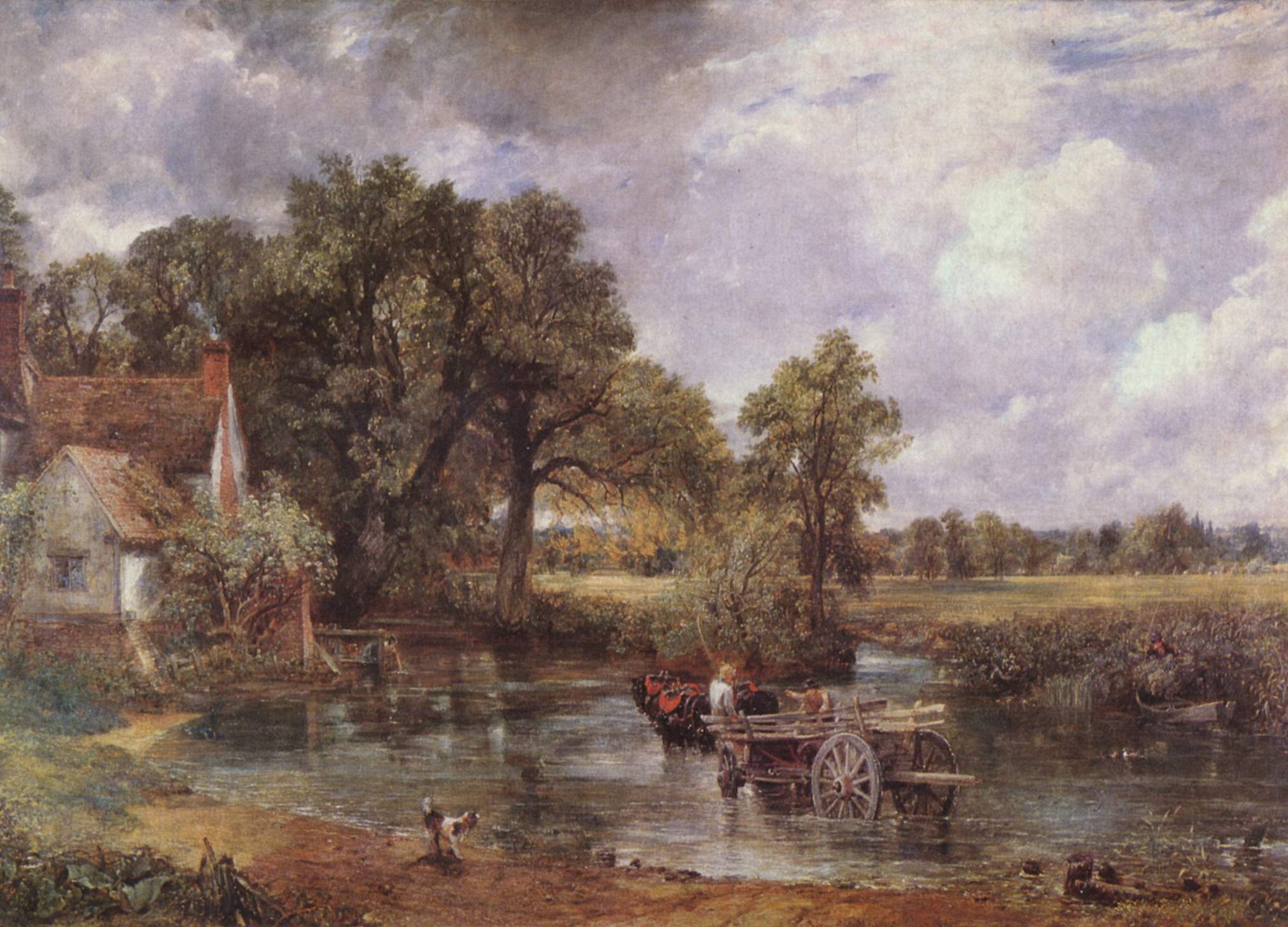
During my junior year in high school, the most interesting topic I remember learning in literature was Romanticism. Romanticism was a social, religious, and movement that was a reaction against the strict traditions and ideas of the Enlightenment. In the Enlightenment, individual thinking and creativity were restricted and religious ideas followed stern laws of the Church. The Romantic period started in continental Europe, Germany, and France in the late 18th and early 19th centuries, and then it reached England. I remember being amazed at how Romanticism was successful in alerting young and ordinary people to new points of view that challenged traditional beliefs. This concept is important to teach fifth-graders to stimulate their minds as Romanticism did so many years ago in trying to demonstrate the intrinsic value of the individual in society. A mature topic such as Romanticism can also help the fifth graders prepare for middle school when the learning materials will start to become more specific and challenging. I would have the fifth graders imagine what they could write if they follow their own heart and passions, instead of repeating what they hear from parents and other authority figures, much as the young artists of the Romantic era did. For the class, I would have the class read out loud together with me the classic Romantic poems of the late eighteenth century, perhaps Lyrical Ballads from Samuel Taylor Coleridge and William Wordsworth as examples of the many British poets who led the Romantic rebellion of the period. We would stop to consider meanings in each of the lines, as eighteenth-century writing is terribly difficult for a lot of people. These examples can help the students understand how an individual’s thoughts and writings can influence others to join a movement. I would also handout his written masterpieces of “Tintern Abbey” and “I Wandered as a Lonely Cloud,” prime of ideas of Romantic literature expressing man’s relationship to nature, man’s intellectual powers, and a love of social justice – all concepts important in understanding how different Romanticism was compared to the traditions of the era.
 American Literature for Elementary Education